How Interface Design Elements Highlight Promotional Triggers in Interactive Reel Experiences Across Regulated Markets
Core Visual Cues in Reel Interfaces
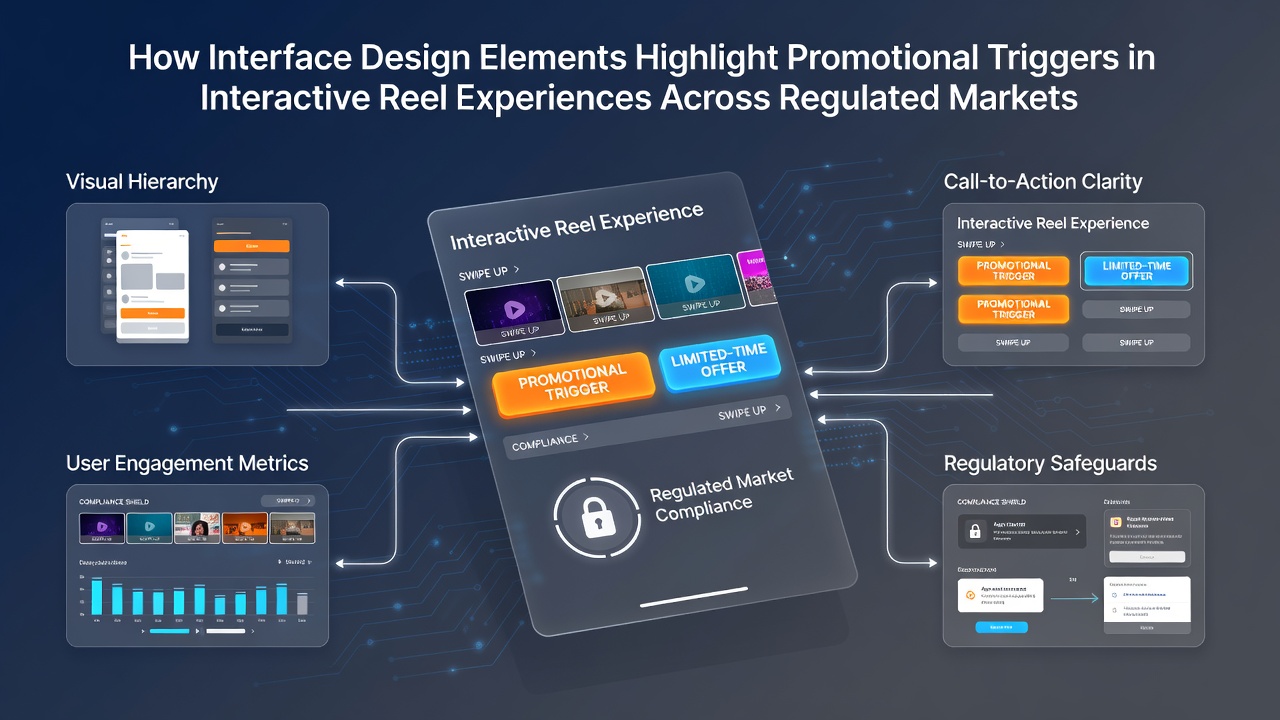
Designers in regulated markets rely on layered visual hierarchies to direct attention toward promotional triggers without disrupting core gameplay loops, and these elements often combine color contrasts, iconography, and spatial positioning to create clear pathways for user engagement. Studies from gaming research institutions indicate that high-contrast buttons positioned near reel windows increase interaction rates with bonus activations, while animated borders around promotional notifications help distinguish them from standard spin controls across platforms in multiple jurisdictions.
Button shapes and sizes play a central role here because rounded elements with subtle gradients tend to draw the eye more effectively than flat designs in user testing data, and this approach appears consistently in markets where operators must comply with strict advertising guidelines. Observers note that placement algorithms adjust these triggers based on session duration, ensuring they appear at moments when engagement metrics show potential decline.
Animation and Feedback Mechanisms
Subtle reel spin interruptions paired with overlay animations serve as effective promotional highlights in interactive experiences, and data from industry reports reveals that timed micro-animations around free spin offers maintain player focus while adhering to regulatory display requirements. These systems use particle effects or light pulses to emphasize triggers without overwhelming the main interface, which helps operators meet transparency standards in places like Canadian provinces and Australian states.
Sound design complements these visuals because synchronized audio cues tied to promotional pop-ups reinforce the visual signals, yet regulations in various regions limit volume and frequency to prevent sensory overload. Researchers have documented how such combined elements create feedback loops that guide users toward deposit incentives or loyalty milestones through repeated exposure patterns.
Layout Adaptations Across Jurisdictions
Regulated markets enforce distinct rules on how promotional elements occupy screen space, which leads designers to develop modular layouts that resize based on local compliance needs, and this flexibility shows up in US state-licensed platforms where stake-related promotions must appear separate from core betting controls. In July 2026 several European regulators updated guidelines requiring clearer separation between game mechanics and bonus prompts, prompting widespread interface revisions that prioritize contextual highlighting over persistent banners.
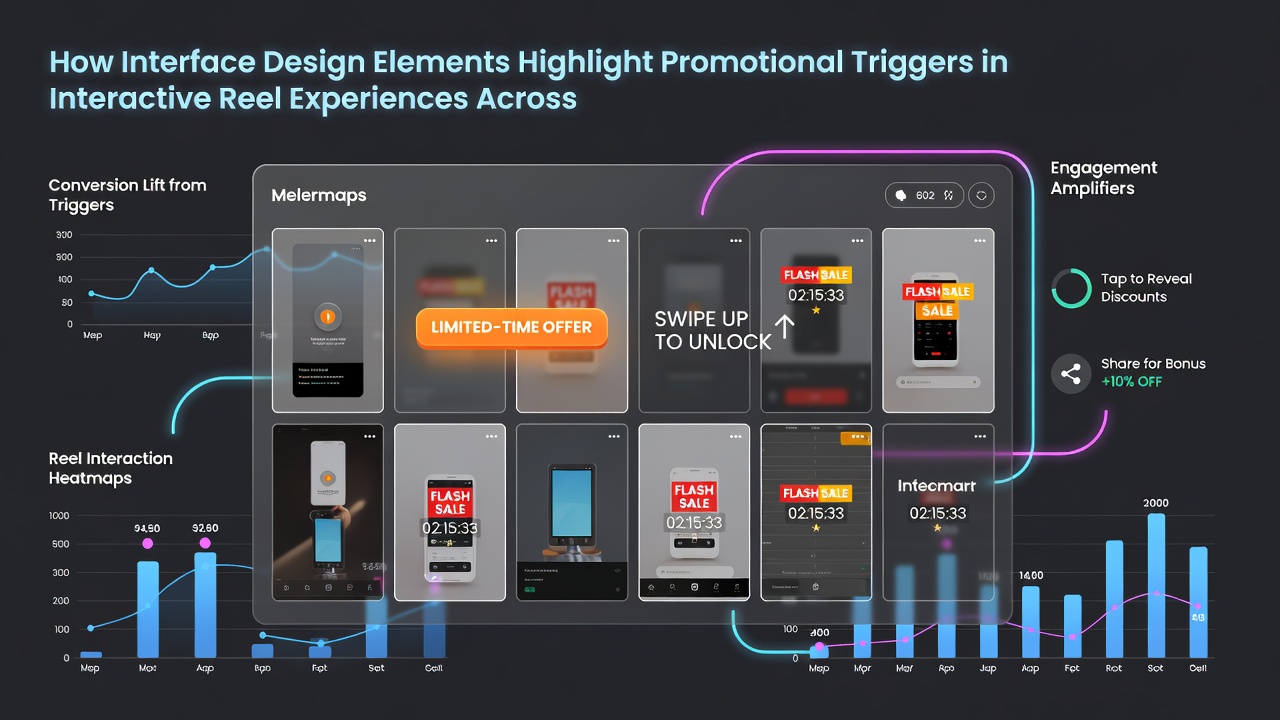
Navigation menus often incorporate expandable sections for promotional details because this structure allows users to access trigger information on demand rather than through forced interruptions, and analytics from platform providers show improved retention when these features align with regional age-verification protocols. Those studying interface patterns across borders find that mobile versions emphasize swipe gestures to reveal hidden promo layers while desktop experiences favor hover states for the same purpose.
Data-Driven Placement Strategies
Analytics platforms track eye movement and click heatmaps to optimize where promotional triggers appear within reel experiences, and findings from academic studies at institutions focused on human-computer interaction confirm that central reel-adjacent zones outperform peripheral areas for conversion metrics. Operators adjust these placements dynamically according to player behavior logs while staying within limits set by bodies such as the Australian Gambling Research Centre and similar organizations in North America.
Seasonal updates to these systems incorporate new data sets from Q2 2026 testing cycles, which highlight how variable opacity levels on trigger buttons reduce visual fatigue during extended sessions. This method keeps promotional elements noticeable yet integrated into the overall aesthetic of the reel environment.
Regulatory Influences on Design Choices
Compliance frameworks in multiple regions require explicit labeling of promotional triggers so users understand their function immediately, and this leads to standardized icon sets that appear across different licensed operators. Evidence from cross-market comparisons shows that text overlays explaining bonus conditions integrate more smoothly when paired with progress bars or meter graphics that fill as conditions near completion.
Interface testing in controlled environments reveals that certain color palettes perform better under accessibility standards, which many regulators now enforce alongside gambling-specific rules, and designers incorporate these constraints early in development cycles to avoid later revisions. Patterns emerge where markets with stricter deposit limit displays use collapsible panels that expand only on user initiation.
Conclusion
Interface design elements continue evolving to balance promotional visibility with regulatory demands in reel experiences, and ongoing research from diverse sources supports the effectiveness of targeted visual and interactive cues. As markets adapt through 2026, these approaches maintain focus on clear communication while supporting the structural needs of interactive platforms worldwide.