How Audio Cues Shape Extended Gaming Sessions on Regulated British Reel Platforms
Audio design in regulated British reel platforms operates through layered soundscapes that combine spinning reel effects, win chimes, and ambient tracks to maintain player attention across multiple rounds, and these elements integrate with visual feedback to create continuous engagement loops that researchers have tracked in session data from licensed operators.
Sound engineers build these systems around frequency ranges that align with human hearing sensitivity, so low rumbles accompany base game spins while higher-pitched tones signal potential wins, and this layering keeps sessions moving forward without abrupt breaks in auditory stimulation.
Core Audio Components in Reel Mechanics
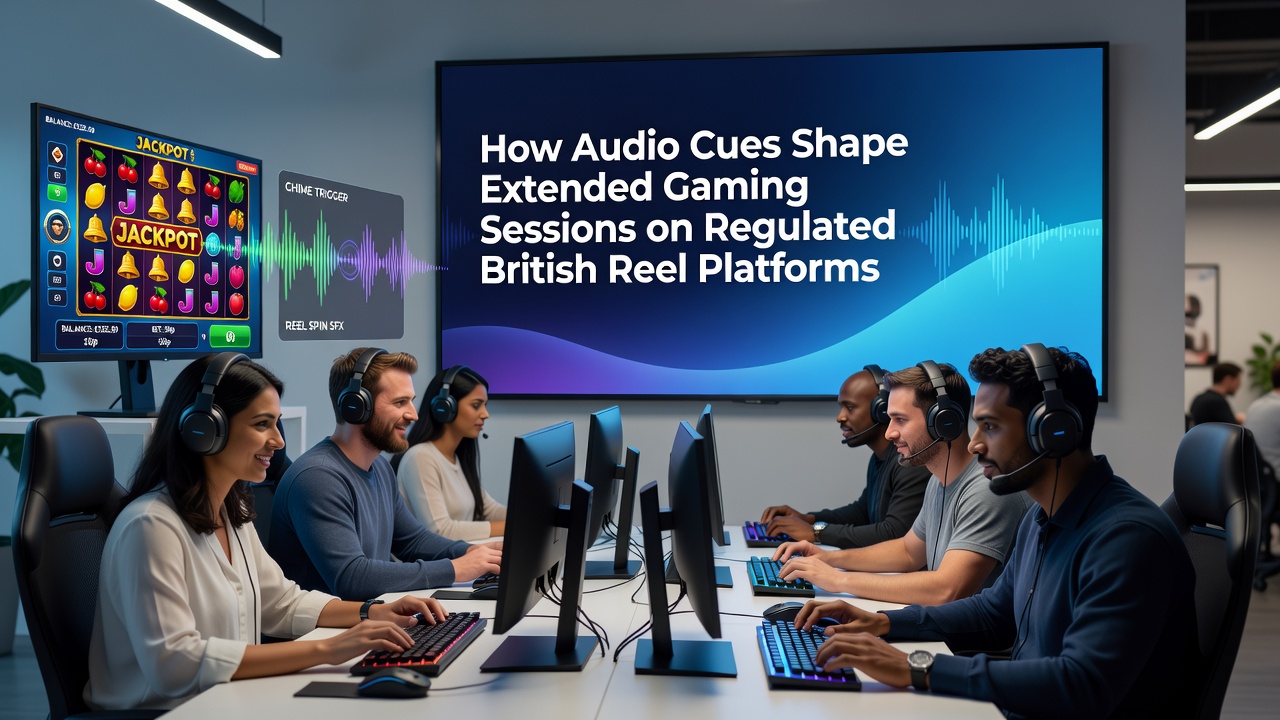
Reel spin sounds form the foundation of most platforms, with each rotation carrying a distinct mechanical hum that varies in pitch and duration based on symbol combinations, while near-miss sequences add short ascending notes that resolve into neutral tones when no payout occurs. These patterns appear consistently across titles from major developers, and data from European gaming research groups shows players extend sessions when reel audio maintains rhythmic consistency rather than random variation.
Bonus round triggers introduce distinct audio shifts, often using rising orchestral swells or electronic builds that last several seconds, and these cues mark transitions into higher-stakes phases where additional sound layers activate. Observers note that platforms time these builds to coincide with visual reel stops, creating synchronized moments that hold attention during the critical decision points between spins.
Player Retention Patterns Linked to Sound Design
Session length metrics collected by industry analysts indicate that titles with dynamic audio feedback sustain play for longer intervals compared to static sound versions, and this holds true across mobile and desktop formats used on British sites. The effect strengthens when win sounds scale in intensity with payout size, producing a graduated response that matches reward magnitude to auditory volume and complexity.
Ambient background tracks run continuously during idle periods, often featuring subtle casino floor simulations or electronic pulses that fill silence between spins, and these elements prevent the abrupt quiet that can prompt players to end sessions. Research from Canadian university labs has documented how such continuous audio reduces perceived session length, allowing extended play without fatigue signals registering as quickly.
Regulatory Context Around Audio Standards
British operators must balance audio features within frameworks set by multiple oversight bodies, and these rules address volume limits alongside fairness in sound-based prompts that might influence betting behavior. Platforms adjust decibel outputs for different device types, ensuring mobile users experience comparable cue strength to desktop players without exceeding comfort thresholds during extended sessions.
Developers incorporate adaptive audio systems that respond to time-of-day settings or player activity levels, and these adjustments appear in updates rolled out during periods such as July 2026 when several platforms refreshed their sound libraries to meet evolving technical standards. Such changes maintain engagement while aligning with broader requirements for responsible feature implementation across licensed environments.
Comparative Analysis Across Game Categories
Classic three-reel titles rely on simpler audio palettes centered on mechanical clicks and single-tone wins, whereas multi-reel and Megaways formats layer additional tracks including crowd reactions and escalating music during chain reactions. This added complexity correlates with higher average session durations in platform reports, and the difference becomes measurable when operators run parallel tests with matched visual designs but varied sound profiles.
Progressive jackpot games add persistent low-level audio cues that remind players of accumulating prizes, often using distant bell tones or building hums that play at irregular intervals, and these reminders integrate into the main game loop without overriding primary reel sounds. Industry association data from North American markets reveals similar patterns where jackpot-related audio contributes to session extension across regulated markets.
Technical Implementation on Licensed Platforms
Sound files undergo compression and optimization for low-latency playback on British servers, ensuring cues trigger within milliseconds of reel stops or button presses, and this technical precision supports the seamless experience that keeps sessions flowing. Developers test these systems across multiple device processors to maintain consistency, and updates frequently refine audio compression algorithms rather than altering core cue content.
Cross-platform synchronization allows the same title to deliver matching audio experiences whether accessed via app or browser, and this uniformity helps operators track engagement metrics that span different user environments without sound-related variables skewing results.
Conclusion
Audio cues function as structural elements within regulated British reel platforms by guiding attention through game phases and sustaining momentum across extended sessions, and their design reflects both technical capabilities and compliance requirements that shape how players interact with titles over time. Data from multiple research sources continues to map these relationships, while platforms refine implementations to balance engagement with operational standards in the current landscape.