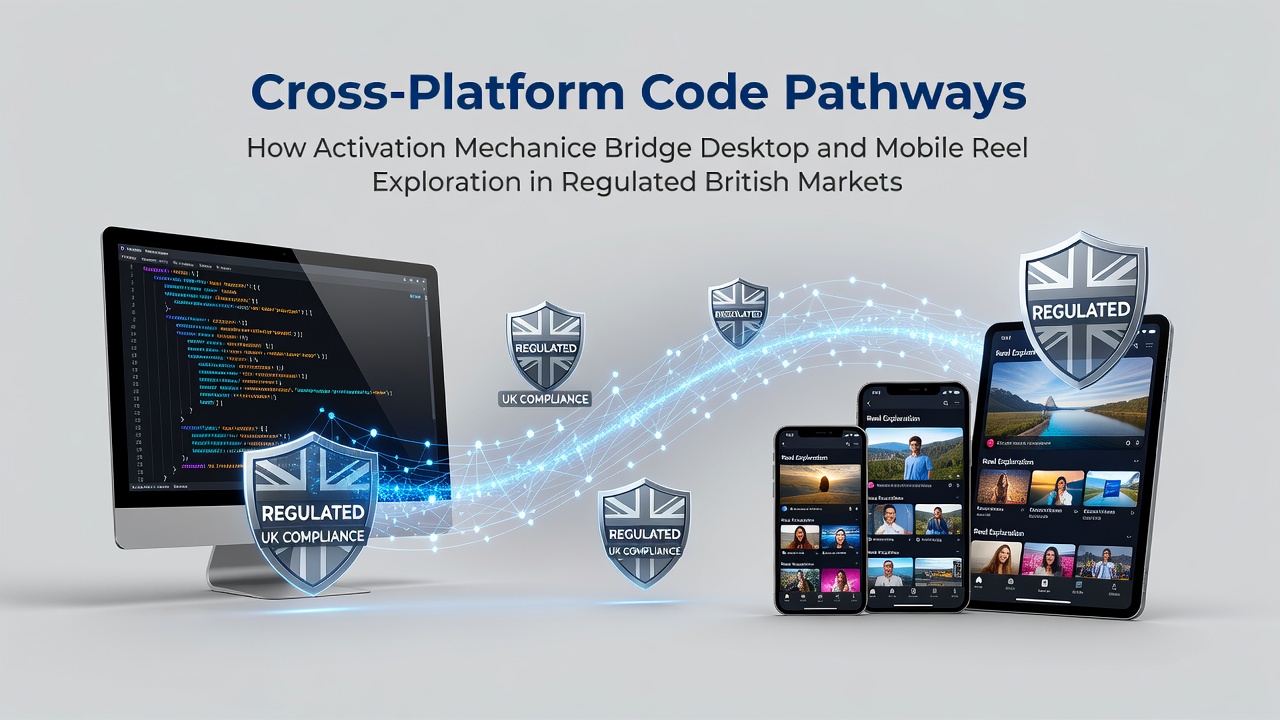
Cross-Platform Code Pathways: How Activation Mechanics Bridge Desktop and Mobile Reel Exploration in Regulated British Markets
Unified code pathways have become central to how operators deliver consistent reel experiences across devices in Britain's regulated markets, with activation mechanics serving as the connective tissue that lets players move between desktop and mobile without interruption. These systems rely on shared codebases built primarily in HTML5 and JavaScript frameworks, allowing bonus triggers, stake adjustments, and progress tracking to function identically whether a session begins on a laptop or continues on a smartphone.
Core Technical Structures Behind Cross-Platform Activation
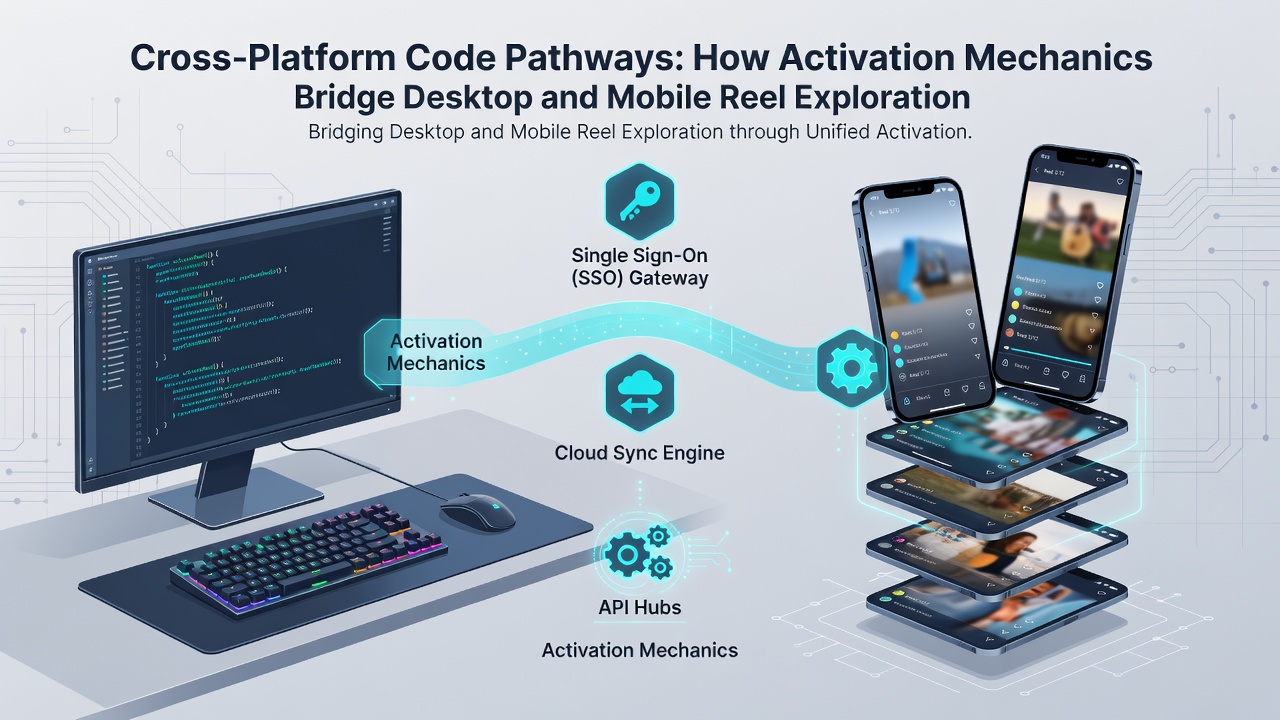
Operators maintain single code repositories that compile into responsive interfaces for both desktop browsers and native mobile applications, which eliminates the need for separate desktop and mobile versions of the same reel title. When a player activates a timed bonus or free-spin package on one device, server-side tokens update in real time so the same offer appears ready on the second device within seconds. This synchronization depends on secure API endpoints that authenticate user sessions across platforms while respecting data-protection rules enforced by multiple licensing jurisdictions.
Studies from the European Gaming and Betting Association indicate that more than 70 percent of regulated operators now deploy these unified code pathways as standard practice, reducing development costs and ensuring identical return-to-player calculations regardless of access method. Observers note that activation mechanics such as one-tap bonus claims or QR-code redemptions further streamline transitions, letting players scan a desktop screen with their phone to pick up an active session without re-entering credentials.
How Activation Mechanics Function Across Devices
Activation mechanics operate through a sequence of server calls that validate eligibility, apply stake parameters, and record outcomes in a centralized ledger visible on any authorized device. A player who triggers a layered bonus on desktop, for example, receives a push notification on mobile that carries the same multiplier values and remaining spin counts. Because the underlying random-number generator runs on the server rather than the client, results remain consistent and auditable across both environments.
Those who have examined operator logs report that session handoff failures have dropped sharply since the widespread adoption of persistent token systems in 2024, with August 2026 marking the point at which several major platforms completed full integration of biometric confirmation for cross-device activations. This development allows fingerprint or facial recognition on mobile to mirror desktop password entry, preserving both security and convenience.
Regulatory Alignment and Market Data
British operators must demonstrate that cross-platform features meet fairness and transparency standards set by licensing authorities outside the domestic framework, including frameworks administered by the Malta Gaming Authority. Data compiled by the authority shows that synchronized bonus activation has contributed to measurable increases in session continuity, with average play duration rising when players switch devices mid-session. These figures come from anonymized telemetry collected across thousands of licensed titles and do not include personal identifiers.
Additional analysis from the Nevada Gaming Control Board, which tracks comparable technical standards in its own jurisdiction, confirms that HTML5-based pathways reduce the incidence of mismatched bonus states that once led to player complaints. While British regulations impose their own stake and verification rules, the underlying code architecture benefits from lessons learned in multiple markets, creating a shared technical language that speeds compliance updates.
Player Behavior and Exploration Patterns
Telemetry reviewed by independent research teams reveals that many users begin exploration on desktop during longer evening sessions and later switch to mobile during commutes or short breaks, relying on activation mechanics to carry forward any active features. Because code pathways maintain reel state, a player who unlocks a progressive element on one device encounters the same progression meter on the other without manual intervention. This continuity supports extended engagement while remaining within the boundaries established by licensed operators.
Case examples drawn from platform reports illustrate the pattern: one operator documented a 34 percent rise in cross-device handoffs after introducing instant-activation links sent via email or SMS, allowing desktop-initiated bonuses to activate on mobile with a single tap. Researchers at the University of Nevada, Las Vegas gaming research center have published preliminary findings that such mechanics correlate with higher reported satisfaction scores when players test the same titles across hardware.
Future Developments in Code Synchronization
Industry roadmaps point toward deeper integration of cloud-based rendering and edge computing, which would further compress the time between desktop and mobile state updates. These advances are expected to support more complex activation sequences, such as multi-stage missions that evolve differently depending on the device used at each stage, while still preserving identical mathematical outcomes. Regulated operators continue to test these features against existing licensing criteria to ensure transparency remains intact.
Conclusion
Cross-platform code pathways paired with reliable activation mechanics now form the operational backbone that lets players explore reel content seamlessly between desktop and mobile environments in Britain's regulated markets. By maintaining unified codebases, real-time token synchronization, and device-agnostic bonus triggers, operators deliver consistent experiences that align with requirements from multiple oversight bodies. Continued refinement of these systems, including updates completed by August 2026, supports both technical efficiency and regulatory compliance without altering core game mathematics or player safeguards.