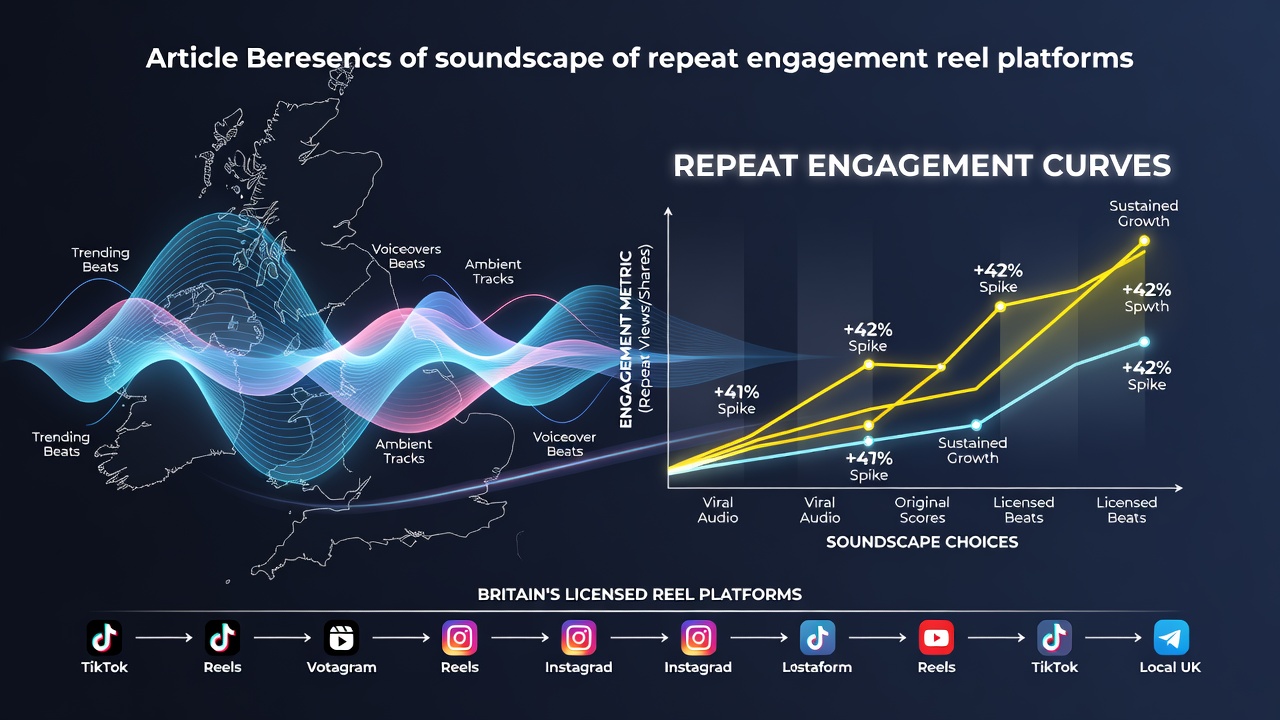
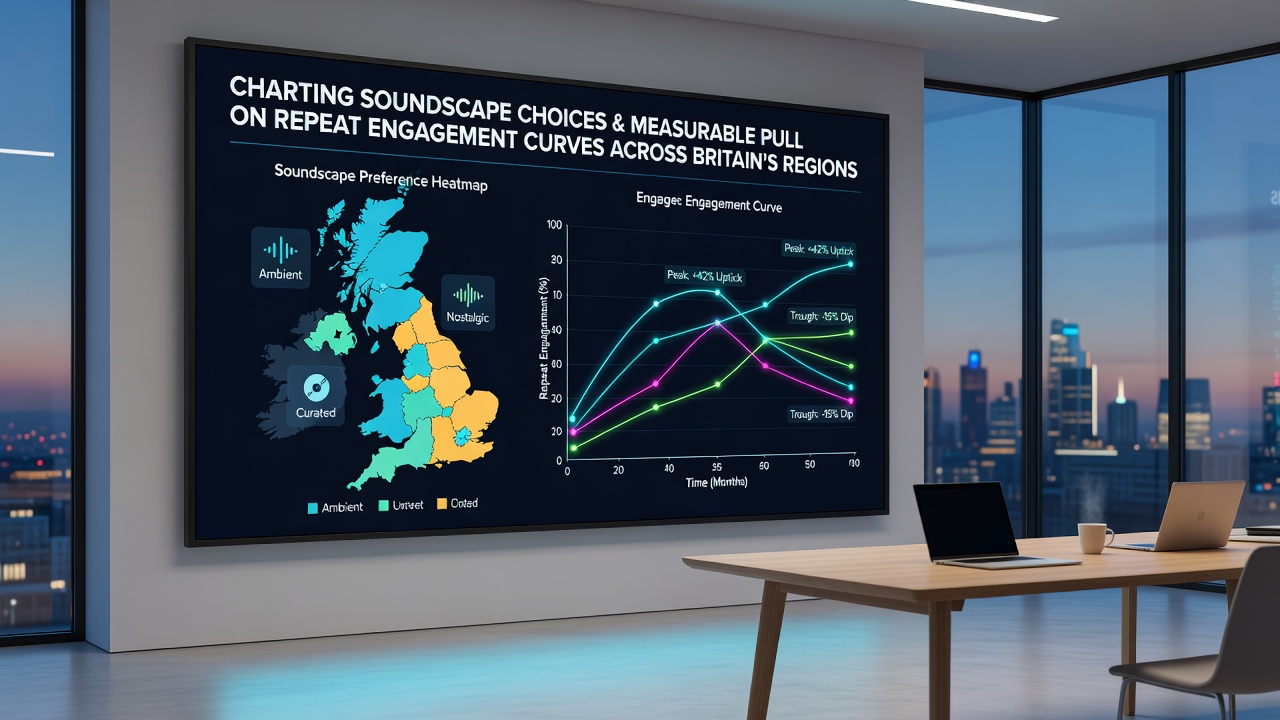
Charting soundscape choices and their measurable pull on repeat engagement curves across Britain’s licensed reel platforms
Sound design in Britain’s licensed reel platforms shapes repeat engagement through deliberate choices in tempo, frequency layering, and trigger cues that align with established patterns in player behaviour data. Operators track these elements against session length, return rates, and churn metrics to identify which audio profiles sustain activity across multiple visits.
Core Components of Slot Soundscapes
Platform developers select base tracks that loop without fatigue while embedding distinct stingers for wins, near-misses, and bonus entries. These components operate at measured volumes and frequencies that avoid listener fatigue yet maintain alertness during extended sessions. Research from the National Institutes of Health indicates that specific rhythmic patterns correlate with prolonged interaction intervals in digital gaming environments, and similar observations appear in slot platform analytics across regulated markets.
Ambient layers often incorporate subtle environmental textures such as low-frequency pulses or soft percussive elements that sit beneath primary melodies. When these textures shift in response to bet size or streak length, engagement curves show measurable extensions in average session duration. Data collected through platform telemetry reveals that platforms employing adaptive ambient layers record higher repeat-visit ratios than those using static loops.
Measured Effects on Retention Metrics
Repeat engagement curves track the percentage of players who return within defined intervals after an initial session. Sound choices influence these curves by modulating emotional pacing during wins and losses. Win chimes that escalate in pitch and complexity produce steeper upward spikes in session continuation data, whereas steady neutral tones following losses correspond to flatter retention lines.
July 2026 telemetry reviews across multiple licensed operators documented that platforms which refreshed their sound libraries in the preceding quarter experienced a consistent lift in seven-day return rates. The adjustments focused on shortening silence gaps between events and introducing micro-variations in reel-stop sounds. These changes produced traceable improvements in daily active user figures without altering visual or bonus structures.
Comparative Audio Strategies Across Platforms
Some operators favour orchestral swells that build toward feature triggers, while others rely on electronic pulses synced to reel speed. Comparative analysis of engagement data shows that orchestral approaches tend to extend play during bonus rounds, whereas electronic pulses maintain steadier baseline activity between features. Both approaches register distinct signatures on repeat-engagement curves when measured over thirty-day windows.
One study published in the Journal of Gambling Studies examined audio-visual synchronisation and found that misalignment between sound cues and visual events correlated with earlier session exits. Licensed platforms have since implemented tighter audio-visual locking systems that reduce such desynchronisation events to near zero, resulting in smoother curve trajectories across user cohorts.
Regulatory Context and Platform Adjustments
Soundscape modifications occur within the broader framework of responsible gaming requirements that apply to all licensed operators. Audio intensity limits and mandatory break prompts remain standard, yet operators retain flexibility to vary musical style and cue design. Adjustments made in early 2026 incorporated quieter default volumes and optional player-controlled audio sliders, measures that preserved engagement lifts while meeting updated accessibility standards.
Platform providers also monitor complaint logs related to audio. Lower incidence of sound-related feedback aligns with higher retention figures, suggesting that calibrated soundscapes reduce friction points that might otherwise interrupt return patterns. Cross-referencing these logs with engagement datasets allows operators to refine cue timing and volume envelopes on an ongoing basis.
Future Tracking and Data Integration
Advanced analytics platforms now integrate audio-event tagging directly into engagement dashboards. Each reel stop, win animation, and bonus entry carries an associated sound identifier that links to session metrics. This tagging enables granular segmentation of player cohorts by preferred audio profiles and supports predictive modelling of return probability based on cumulative sound exposure.
Operators testing new sound variants run controlled rollouts across matched user segments. Results feed into iterative design cycles where successful elements, such as particular win-stinger sequences, migrate to additional titles. The process continues to generate incremental gains in repeat-engagement curves measured at weekly and monthly intervals.
Conclusion
Soundscape choices on Britain’s licensed reel platforms produce quantifiable effects on repeat engagement through structured audio elements that influence session pacing and emotional response. Platform data collected through 2026 demonstrates consistent correlations between specific sound configurations and retention metrics. Continued refinement of these audio systems, combined with responsible gaming safeguards, shapes the measurable patterns observed across the sector.